Author: admin

Combating Labor Challenges in Ghana

SIRF is supporting research to help combat child labor and trafficking (CLaT) activities within Ghana’s seafood sector.

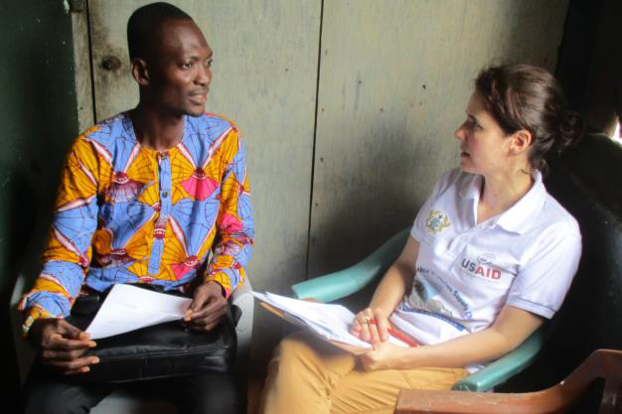
Kristine Beran, a Ph.D. candidate at the University of Rhode Island Graduate School of Oceanography, is conducting field-based analysis throughout Ghana’s fishing community. Ms. Beran’s findings will evaluate the effectiveness of anti-CLaT measures already in use.

Ms. Beran has established connections with various stakeholders operating throughout the local and national anti-CLaT spheres, like the Central and Western Fishmongers Improvement Association (CEWEFIA), a project partner of USAID’s work in the region.

Based in Elmina, Ms. Beran is identifying the activities most likely to prevent labor abuses within Ghana’s marine fishery. These activities include behavior-change communications initiatives conducted at the community level, such as dramas/role plays, radio campaigns, and the use of Community Child Protection Committees (CCPCs) and Community Action Plans to prevent CLaT in the fisheries sector.

Ms. Beran has interviewed 18/40 CCPC members as key informants regarding their role in the community and perceived impact surrounding project activities. In addition to these interviews, Ms. Beran has attended two USAID/SFMP partner meetings regarding anti-CLaT activities, including a discussion of scaling up certain activities and introducing new anti-CLaT activities.

Participating in a live broadcast of the hour-long, weekly radio campaign about CLaT in the fisheries sector, Ms. Beran interviewed the radio host and panel speakers to gain a better understand of the show’s content and intended impact.

Ms. Beran will continue her work, which includes a cost-benefit analysis of anti-CLaT programs, and plans to present preliminary findings at the U.S. Embassy in Ghana in August.
 

Quarter 3 2016 Newsletter

Omega 3 & Postpartum Depression Research, SIRF Meeting, Future Leader Alumni Event

SIRF Economic Impact Study

Analysis of Seafood Imports a Useful Tool on Capitol Hill

October 5, 2016-McLean, VA- Last fall, the seafood research organization, SIRF, finalized a project that charted the economic impact of seafood imports by congressional district. The resulting research mapped the dollar value of seafood imports for each of the 435 constituencies in the House of Representatives as well as identified districts’ key export items. These economic profiles have enabled seafood advocates to demonstrate to lawmakers in detail the importance of the seafood importing industry on local economies.

Conducted by Dr. Mike Toma of Armstrong State University, the economic study drew on government Census data to form an exhaustive cross-section of seafood import distribution in the United States. Distilling the large database into shareable form, the National Fisheries Institute developed informational one-pagers that enumerate tailored import-export statistics for each congressional office.

“Trade is a two way street,” said NFI Vice President of Governmental Affairs Robert DeHaan. “When a lawmaker sees the dollar figures seafood brings into the district or the volume of in-district goods being sent to a major seafood supplying country, the connection is eye-popping and immediate. The seafood importing industry is something to pay attention to and its issues worth fighting for.”

The study results have been used in several seafood advocacy efforts including the Capitol Hill meetings of NFI’s Political Conference and Future Leader sessions as well as in targeted lobbying outreach among seafood champions and critics, alike.

“SIRF funds research that supports the seafood business,” said SIRF Chairman Russ Mentzer. “The more national decision-makers recognize seafood as a stable protein and consistent economic resource the more our industry benefits. SIRF’s import study is one example of SIRF’s investment in projects that have both immediate and long-term gains for the seafood community.”

###

The Seafood Industry Research Fund (SIRF) was established in 1964 to fund research grants to colleges, universities and other institutions for research related to the seafood industry and the consumers of its products. SIRF is supported entirely by voluntary contributions from individuals and companies in and related to the seafood industry.

Quarter 1 2016 Newsletter

EMS Research, Seafood Environmental Impact, Shelf Life Research and the SIRF Soirée

Quarter 2 2015 Newsletter

Bill and Betty More Living Tribute Fund, NFI Future Leaders, and the Narragansett Bay Oyster Restoration Project

Quarter 1 2015 Newsletter

2nd Annual SIRF Benefit Dinner, SIRF Benefit Hockey Game and the Seafood Economic Analysis Project

Quarter 4 2014 Newsletter

Featured Donor Harbor Seafood, SIRF Benefit Speaker Barton Seaver and 2015 SIRF Research

Quarter 3 2014 Newsletter

SIRF’s 2nd Annual Benefit Dinner, GFTC’s Seafood Traceability Financial Tool, the Health Benefits of Selenium in Seafood