Jason Mulvihill is a proud “born and raised Floridian,” but he will tell you that he is an even prouder father to five daughters and four dogs.
Born in Miami and now living in Fort Lauderdale, the ocean has been a constant in Mulvihill’s life. He has worked in and around the seafood industry for more than a decade, starting out in the aquaculture industry selling equipment before joining Lineage Logistics, a temperature-controlled warehousing and logistics company, in 2017. Mulvihill currently works as the director of business development, specifically focused on customers in the seafood industry.
Mulvihill was introduced to the Seafood Industry Research Fund (SIRF) by Lineage’s former vice president of sales, Dan DiDonato, who is a current member of the SIRF Board of Directors. Mulvihill joined the board one year ago, and his passion for the seafood industry has only grown since.
“As my role expanded at Lineage, … to cover seafood specifically, that’s where you know the passion was in terms of the relationships and getting involved in different groups,” Mulvihill said. “It’s been a full circle.”
Over the past year, Mulvihill has found that his time on the kept him up to date with research and technological advancements in the industry, which has helped him build valuable connections in his day-to-day work at Lineage.
“In my role, specifically focused on seafood, there’s no better way to kind of develop those relationships,” Mulvihill said. “Of course, when you get in and you see all the different programs and projects (and) the potential impact for the industry, (there’s) nothing better.”
As a member of the SIRF Board of Directors, Mulvihill has been exposed to the latest research seeking to advance the seafood industry. One of his personal favorite projects SIRF helped fund involved different types of plastics made of algae that could be used for a variety of products, including textiles and rope.
“It’s hard to even fathom, you know; some of the projects that I’ve seen, I never would’ve thought of,” Mulvihill said. “So, who knows what’s out there and the next best
As he looks forward to his future on the board, Mulvihill said he hopes to see more projects that aim to improve domestic issues importers face in the seafood industry.
Even outside of work, Mulvihill spends plenty of time in the ocean, either spending a day at the beach or going out on the water with his family on his brother’s boat.
The Seafood Industry Research Fund is celebrating the winners of the student competitions at the 76th Pacific Fisheries Technologists Annual Conference. The 2026 PFT conference was held in San Pedro, California from Feb. 22 through Feb. 25. The PFT supports the study and advancement of fisheries technology and products created using fishery resources. The conference included one oral and one presentation contest for students to submit their research.
For the oral competition, Celina Garcia from Chapman University was awarded first place for her research titled, “Comparison of DNA Barcoding Approaches to Identify Rockfish (Sebastes spp.) on the Commercial Market.” Garcia studied different mitochondrial gene regions’ effectiveness in identifying rockfish sold in the United States.
Hector Trujillo Ruiz from the University of Sonora won second place for his work titled, “Enhancement of the antiproliferative effect of docetaxel by carotenoids from the by-products of the white shrimp (Penaeus vannamei) in prostate cancer cells.” His study examined the ability of white shrimp byproducts to be used as aids to an anticancer drug.
Two more students from Chapman University took home the top prizes for the poster contest. Gary Maloncon won first place for his work titled, “UVC Inactivation of Listeria monocytogenes in Salmon Juice on Food Contact Surfaces using the Contamination Sanitation Inspection and Disinfection (CSI-D+) Device.” Maloncon’s poster featured his research into the device’s disinfection module on a pathogen that causes foodborne illnesses.
Grace Cho came in second place for her work titled, “Optimization of DNA Extraction for Tuna Species Identification.” Cho researched the effects of decreasing DNA extraction times to increase the accuracy of species identification in canned tuna.
Gary Maloncon won first prize in the PFT poster contest. | Photo provided by Angee HuntGrace Cho (left) won second place in the PFT poster contest. | Photo provided by Angee Hunt
SIRF would like to congratulate all student honorees on their hard work and contributions to the seafood industry.
Following a fishery collapse in the early 1990s, scup has made a remarkable recovery. The stock has remained abundant for more than a decade and has earned certification from the Marine Stewardship Council for sustainable management. Despite its healthy population, however, annual commercial landings reach only about 60% of the available quota.
During the summer and early fall, when scup move inshore, large volumes of fish enter the market, often creating an oversupply that drives prices down. As a result, harvesting scup is frequently not economically viable for commercial fishermen, despite the abundance of the resource.
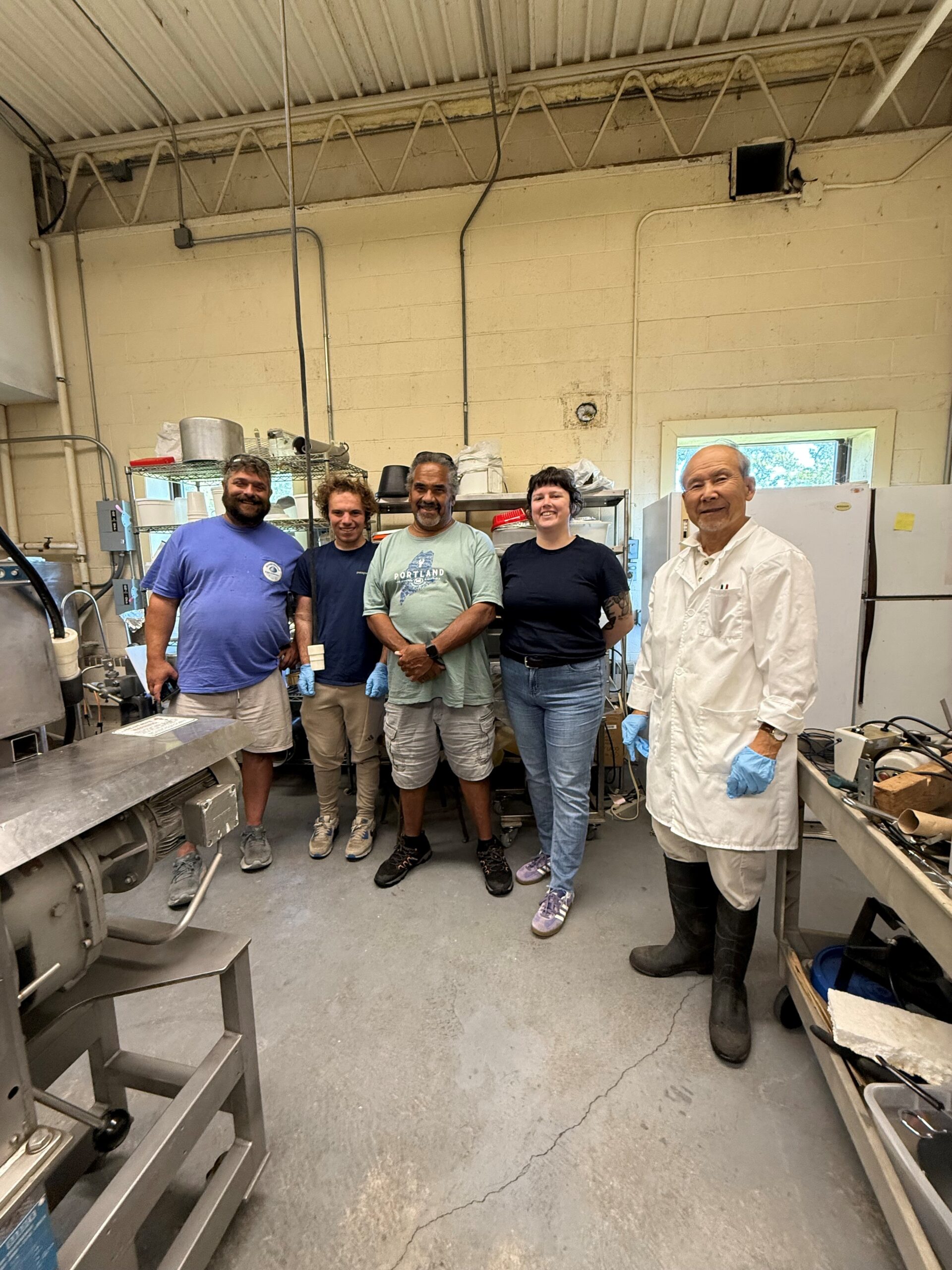
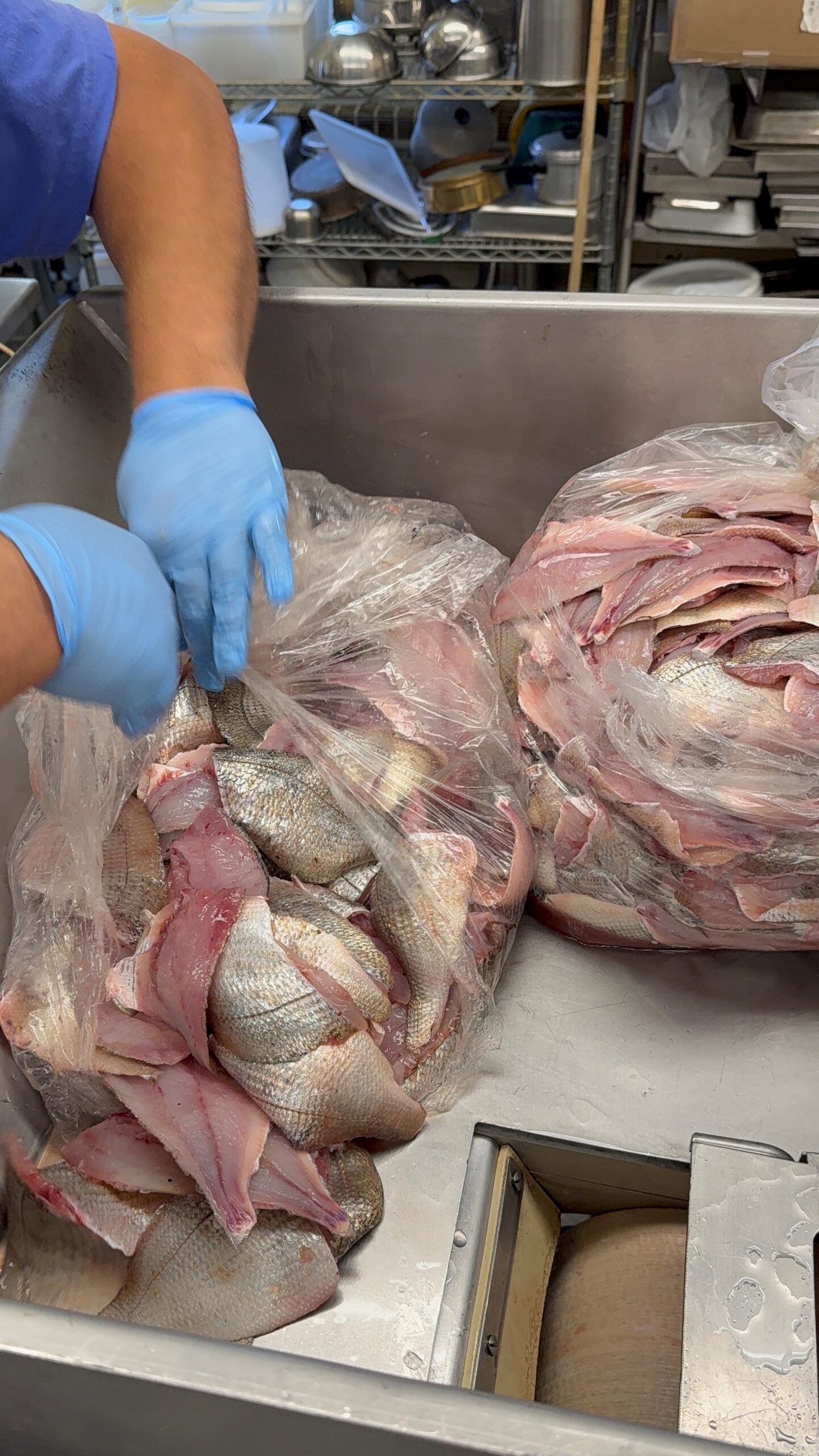
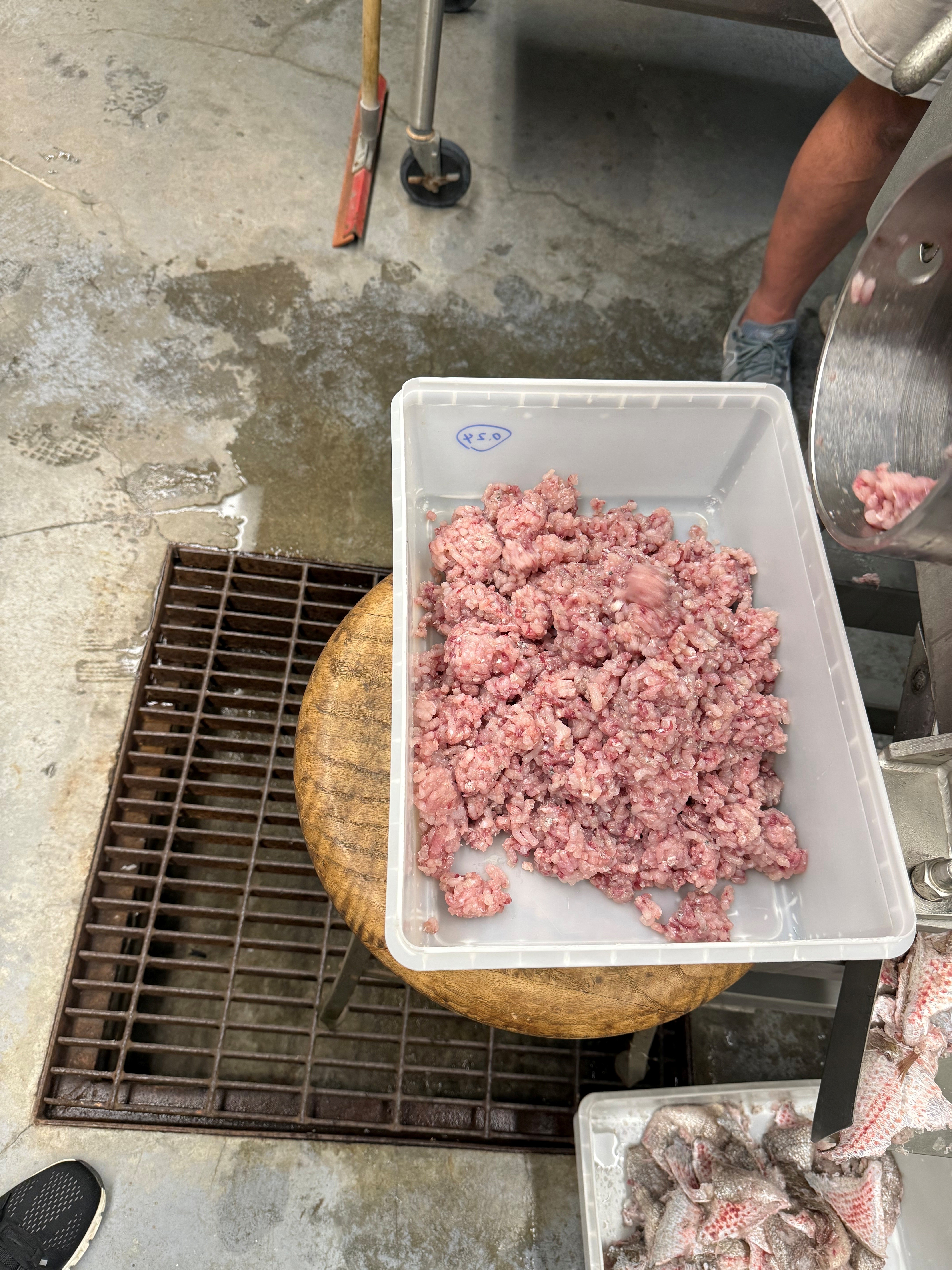
To help address this market imbalance, the Commercial Fisheries Research Foundation (CFRF) and the University of Rhode Island have partnered with Quonochontaug Fish Company and the Rhode Island nonprofit organization Eating with the Ecosystem on a project to develop new markets for scup. Their goal is to create a frozen scup mince commodity that can be incorporated into a variety of value-added seafood products.
By processing and freezing scup during periods of peak availability, the project aims to create a consistent year-round product that can help stabilize pricing, reduce economically driven discards, and provide processors and consumers with new seafood options.
Improving efficiency and developing opportunity
The project has two primary objectives: improving the efficiency and quality of scup mince production and freezing, while simultaneously developing market opportunities for scup mince and value-added products.
As part of the research, scup harvested by both trawl vessels and pot traps are being evaluated to determine how harvest method affects product quality. The project also emphasizes full utilization of the catch to minimize waste. Rib meat is recovered, deboned, and incorporated into the minced product, while byproducts including skin, scales, and bone, are repurposed as crab bait to ensure that nearly every part of the fish is put to productive use.
Researchers have also identified opportunities to improve processing efficiency. At present, all fish are filleted by hand, limiting production capacity. The team is evaluating mechanical filleting equipment that could increase throughput while improving consistency and yield.
Adding to the project’s momentum, naming “Golden Sea Bream” was recently approved by the FDA and recognized as an acceptable market name for scup. While the new name has the potential to improve consumer appeal and increase product value, it has also generated discussion among local ethnic communities that have long relied on scup as an affordable source of protein. Some stakeholders have expressed concern that higher prices could reduce accessibility for long-term consumers and small independent retailers.
Researchers look ahead to support local communities
For now, the project’s focus remains on strengthening local markets by supplying scup mince to regional retailers and encouraging greater consumption of sustainable, locally harvested seafood. Production of frozen mince blocks for secondary processing is not currently part of the project but may be explored as future market opportunities emerge. With commercial vessels capable of landing 25,000 to 30,000 pounds of scup per trip, the fishery has the capacity to support increased demand.
Community engagement is also a key component of the initiative. Later this year, project partners will host a public tasting event featuring recipes developed by local chefs. The event will introduce consumers to the versatility of scup mince while helping build interest in new value-added seafood products.
Looking ahead, the project’s next phase will focus on frozen shelf-life studies, finalizing recipe development, and expanding consumer outreach. Researchers are also exploring whether the same processing approach could be applied to other underutilized species, including spider crab and the invasive green crab, creating additional opportunities to support fishermen while bringing more sustainable seafood choices to consumers.
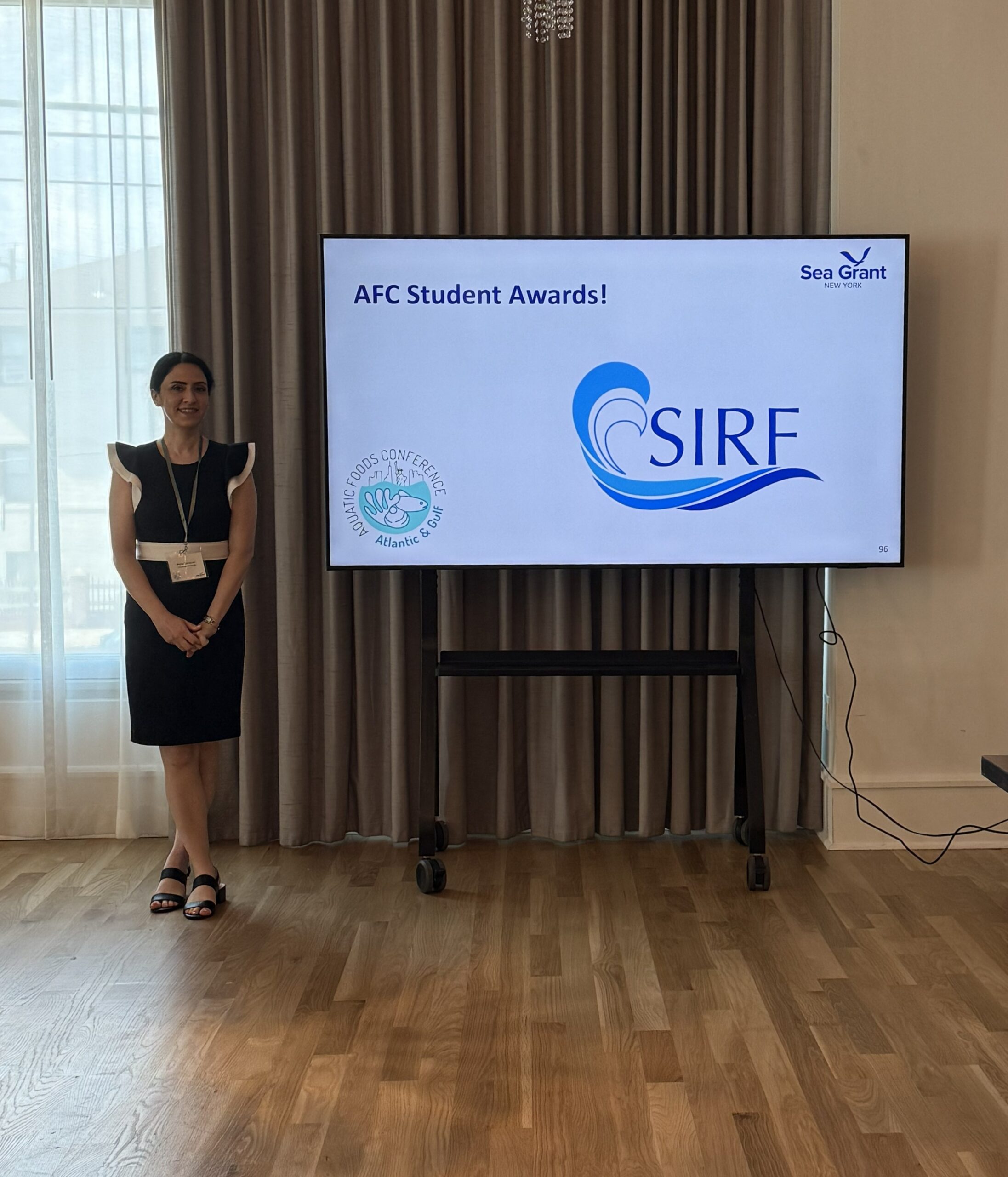
The Seafood Industry Research Fund is proud to announce the winner of the Aquatic Foods Conference SIRF student competition. This year’s winner was Rose Omidvar, a Ph.D. food science candidate at the University of Florida. Both of Omidvar’s research studies, titled, “Development of Cell-Cultured Fishmeal Using a Fish-Derived Scaffold for Aquaculture Feed,” and “U.S. Aquaculture Producers’ Adoption Intentions Toward Cell-Based Fishmeal: A Segmentation Analysis Using Behavioral Theory,” focused on the possibility of using sustainable aquafeed alternatives to wild-caught fishmeal.
The 2026 AFC was held at the Allegria Hotel in Long Island, New York. The conference united educators, students, researchers, and specialists across the seafood industry to discuss new technology and sustainable practices. SIRF supports competitions to inspire young innovators looking to make advancements in the seafood industry.
Pregnant women rely on numerous vitamins and nutrients to support their babies’ development. One such nutrient is Docosahexaenoic acid (DHA), an Omega-3 fatty acid found in seafood that supports fetuses’ neurological development and lowers the risk of preterm labor. While DHA plays a vital role in the health of pregnant women and their children, not all people have access to it, especially those living under socioeconomic constraints in rural areas. One University of Kansas researcher received a grant from the Seafood Industry Research Fund (SIRF) to identify gaps in current research.
Dr. Danielle Christifano is an assistant professor in the Department of Dietetics and Nutrition. Her research focuses on maternal and infant nutrition. Through the SIRF grant, she and her team studied the rates of DHA consumption among people who participate in the Special Supplemental Nutrition Program for Women, Infants, and Children (WIC) residing in Kansas.
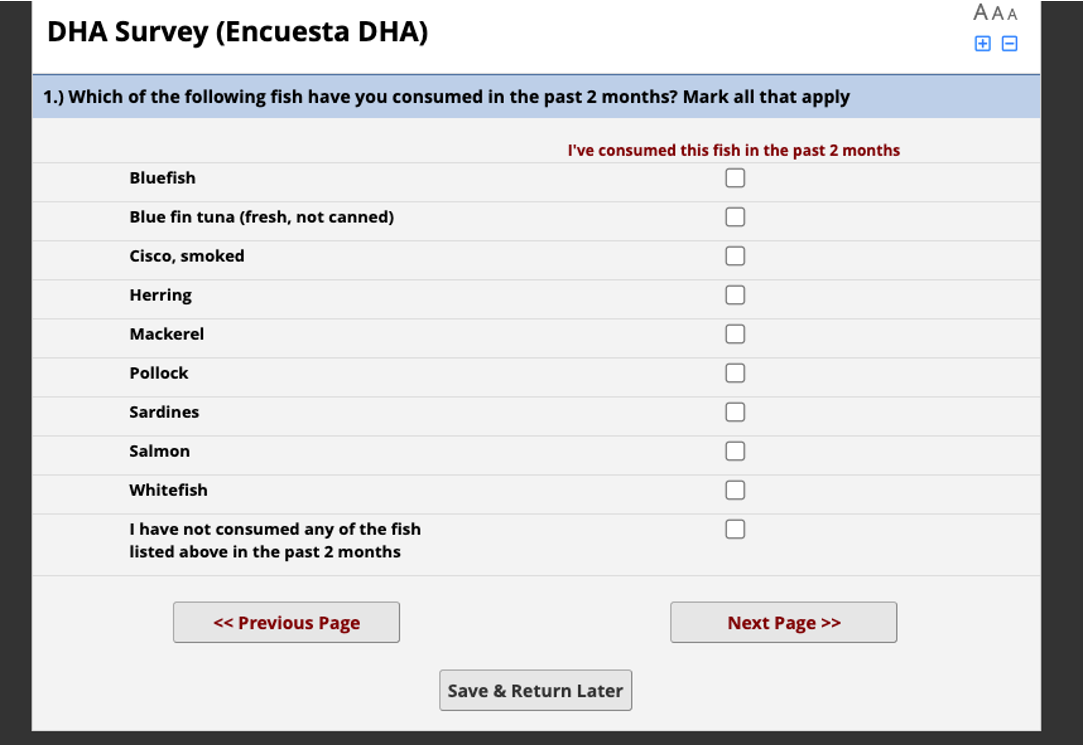
From June 2023 to May 2026, Christifano and her team collected data from a seven-question Food Frequency Questionnaire (FFQ) in the WICShopper app to gauge WIC clients’ DHA consumption. The survey was also advertised on flyers in Kansas WIC clinics, which serve about 44,000 clients across 102 counties, many of them in rural areas. The survey asked about the types and amounts of seafood and eggs participants had consumed in the past two months.
Formal testing for DHA intake examines red blood cell phospholipids, which is a time-consuming and expensive process. WIC clients are less likely to have access to testing, which makes the DHA FFQ a more accessible way for them to monitor their DHA consumption. Outside of maternal nutrition, Christifano believes tools like the FFQ could be used for programs like the USDA Child Nutrition programs.
“The trick is really trying to find something that is low-burden, low-cost, low-time effort for the staff but could be hugely beneficial for the clients,” Christifano said.
Prior to Christifano’s study, the most recent WIC-specific Omega-3 intervention was published in 2005 in Colorado called “Omega-3 for Baby and Me.” The program aimed to create widely accessible materials to increase DHA intake during pregnancy. It also included educational materials about shopping lists and recipes with DHA-rich foods, like tuna and salmon. For Christifano, her study serves as an avenue to expand upon preexisting research.
“This is a population that may face even greater barriers to accessing seafood or dietary supplements, which are the primary sources of DHA in the diet,” Christifano said. “Prior research really has not identified this group as a group of focus for this particular nutrient, so this seems novel in this way, but we think this is really important because the amount of DHA that’s found in breastmilk is really influenced by a mother’s diet.”
Between the start of the study in June 2023 and September 2025, Christifano’s team collected 571 surveys. As of May 2026, they had 772 completed surveys. Between 2023 and 2025, the surveys concluded that pregnant participants consumed 166.1 milligrams DHA per day on average, breastfeeding participants consumed approximately 134 mg DHA per day and participants planning to become pregnant consumed about 119.4 mg DHA per day.
Most babies consume DHA through their mother’s breastmilk. The World Health Organization and the Food and Agriculture Organization recommend women of childbearing age consume at least 250 mg DHA per day and 1,000 mg per day for women with low DHA intake.
All measured groups in Christifano’s study were significantly under the recommended amount of daily DHA consumption.
Although official state and federal policies encouraging DHA consumption are still not fully implemented, some organizations like WIC have established different interventions to increase clients’ DHA intake. In Kansas, pregnant and postpartum clients now receive 10 ounces of canned fish in their monthly food packages, fully lactating clients receive 20 ounces, and partially lactating clients receive 15 ounces.
Christifano believes her team’s research could be used to reinforce existing policies helping pregnant and breastfeeding women meet the recommended amount of DHA consumption.
“Our goal is never to change policy overnight but rather to like provide data and do the research that helps us get to the point of making decisions about nutrition education, resource allocation, (and) strategies to improve maternal and infant health outcomes overall,” Christifano said.
For Christifano, the study is an opportunity for further research into pregnant and breastfeeding women’s DHA intake. Going forward, she hopes to increase education about the importance of DHA for WIC clients.
“I think we’re just super honored to be able to do the work that we do, and we really care about … the health and wellbeing of mothers, babies, and families and so anything that we can do especially with low-burden, low-cost interventions like nutrients to improve outcomes is something that we are super invested in doing in our lab,” Christifano said.
John Connelly was the president and chief executive officer of the National Fisheries Institute, America’s leading trade association advocating for the entire seafood supply chain. He also served as SIRF’s secretary and treasurer, chairman of the International Coalition of Fisheries Associations, a board trustee for the Marine Stewardship Council, on the boards of directors of the International Seafood Sustainability Foundation and ALLFISH Board, a public-private partnership with the World Bank.
Mr. Connelly was a fierce advocate for the men and women of the seafood community and beloved industry leader. He was known for his mantra, “No job too big, no job too small.” During his extensive travels, he always found time to send handwritten postcards to friends and family.
He previously held business leadership and advocacy positions at the American Chemistry Council, the chemical industry’s trade association. He was a U.S. Naval Officer aboard ship and recently retired as a captain in the Navy Reserve, with specializations in political-military affairs.
Mr. Connelly graduated from The College of the Holy Cross. He also received a Masters in Business Administration. He and his wife Margaret enjoyed skiing, tennis, and hiking with their four children at their house in Ireland.
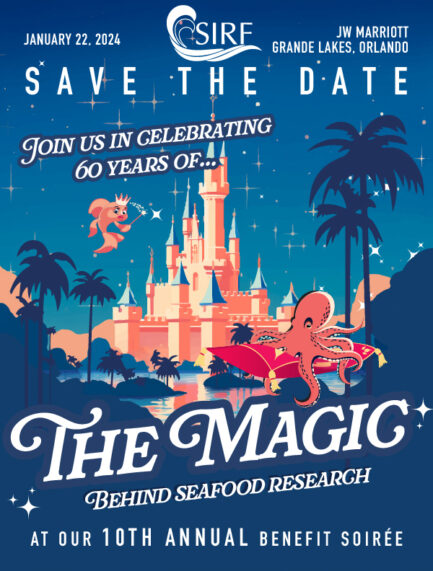
The Seafood Industry Research Fund Board of Directors hosted their 10th Annual SIRF Benefit Soiree on January 22, 2024, at the JW Marriott Orlando Grande Lakes, Florida. Guest speaker Dr. Megan Davis, Director of Queen Conch Lab, Florida Atlantic University, Harbor Branch Oceanographic Institute, educated the industry on the queen conch life cycle and innovating ways to save the species.
The SIRF Board, sponsors, and guests raised $86,000 in honor of former NFI President John Connelly. The donations will help sponsor a graduate student or a study that will benefit the seafood industry.
Thank you to the SIRF Board Members:
Sean O’Scannlain, Fortune International
Jim Bonnvie, Seafax
Bill Dresser, Sea Port Products
Dan DiDonato, Lineage Logistics
Jordan Mazzetta, Eddie M’s
Larsen Mettler, S2G Ventures
Russell Mentzer
Christine Ngo, H & N Group
Wynter Courmont, Diversified Communications
Ben Schwartz, Harbor Seafood
Jeff Stern, CenSea
Mike Walsh, Northwest Seafoods
Special thanks go to the SIRF sponsors:
Tom Mazzetta, Mazzetta Co.
Barry Markman, Mark Foods
Mark Soderstrom, Southstream Seafood
Dick Jones, Blue Ocean Mariculture
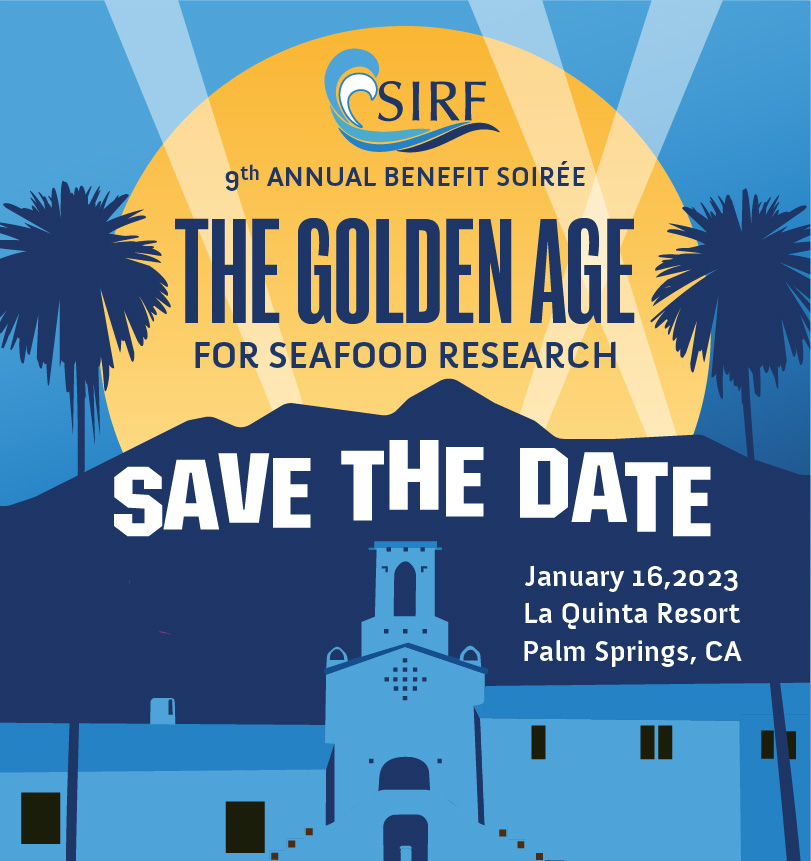
The 9th Annual SIRF Benefit Soiree was held on January 16, 2023, at La Quinta Resort & Club, La Quinta, CA. The evening featured guest speaker Andrew Gruel, Chef and CEO of Calico Fish House.
The Soiree was well attended by seafood executives and successfully raised funds to support forward thinking research that will benefit the seafood industry.
For more information on the event, contact SIRF, gespejo@nfi.org.
Anna Bloom is the daughter of Lee and Alyssa Bloom, and Jacob Bloom is the son of Eric and Joyce Bloom. Anna and Jacob are the grandchildren of William Bloom, founder of the Eastern Fish Company. The Blooms are longtime supporters of SIRF.








Recent Comments