Month: November 2016

SIRF Funds DNA Testing Project for Fast Identification of Fish Species

Research Could Produce Potential Check on Seafood Fraud

November 28, 2016-McLean, VA- The Board of Directors of the Seafood Industry Research Fund (SIRF) have funded research for the development of a fast, cost-effective identification of edible fish and fish products to prevent species substitution and fraud. The project will be led by Dr. J. Aquiles Sanchez, Ph.D. of the Department of Biology at Brandeis University in Waltham, Massachusetts.

The research seeks to develop a rapid means of seafood species identification using Closed-Tube DNA Bar Coding. Compared to difficult and expensive FDA DNA testing, the Closed-DNA system represents a convenient alternative that can be used with both laboratory equipment and, importantly, handheld devices. The project could benefit seafood companies, distributors, restaurants and consumers by providing a tool for protecting product from mislabeling and species substitution.

“The FDA has a strong interest in any new technologies and techniques that could potentially decrease cost and time of analysis, while increasing throughput and ease of use,” said Jonathan Deeds, Ph.D. of the FDA Office of Regulatory Science. “Methods with the potential to be field deployable are of particular interest. For public health, it is vital that both domestic and imported seafood be safe, wholesome and properly labeled.”

The research would compile a reference database of DNA “barcodes” for species at high risk of mislabeling or substitution. Suppliers, distributors and retailers could use the method of authentication to maintain the quality of their brand and retain consumer trust.

Jamie Marshall, chairman of industry watchdog group The Better Seafood Board (BSB), views the SIRF DNA project as a potentially powerful tool in combating seafood fraud.

“Industries thrive or perish on their reputations,” Marshall said. “The seafood business needs more effective resources in defending itself against the bad actors who threaten the opinions and goodwill of its consumers. I look forward to following the study and learning about the practical applications it may have for product quality and authentication.”

Established in 1964, SIRF funds research grants to colleges, universities and other institutions for research related to the seafood industry and the consumers of its products. SIRF Chairman Russ Mentzer views the newly approved study as squarely aligned with the organization’s pragmatic approach to seafood research.

“The FDA’s interest in this technology is beneficial to the seafood community,” said Mentzer. “This rigorous protocol will help establish a tested standard useable throughout the seafood supply chain, a business-based solution made possible by our excellent donor-base and scientist partners.”

###

The Seafood Industry Research Fund (SIRF) was established in 1964 to fund research grants to colleges, universities and other institutions for research related to the seafood industry and the consumers of its products. SIRF is supported entirely by voluntary contributions from individuals and companies in and related to the seafood industry.
SIRF Funds DNA Testing Project for Fast Identification of Fish Species

Research Could Produce Potential Check on Seafood Fraud

November 28, 2016-McLean, VA- The Board of Directors of the Seafood Industry Research Fund (SIRF) have funded research for the development of a fast, cost-effective identification of edible fish and fish products to prevent species substitution and fraud. The project will be led by Dr. J. Aquiles Sanchez, Ph.D. of the Department of Biology at Brandeis University in Waltham, Massachusetts.

The research seeks to develop a rapid means of seafood species identification using Closed-Tube DNA Bar Coding. Compared to difficult and expensive FDA DNA testing, the Closed-DNA system represents a convenient alternative that can be used with both laboratory equipment and, importantly, handheld devices. The project could benefit seafood companies, distributors, restaurants and consumers by providing a tool for protecting product from mislabeling and species substitution.  

“The FDA has a strong interest in any new technologies and techniques that could potentially decrease cost and time of analysis, while increasing throughput and ease of use,” said Jonathan Deeds, Ph.D. of the FDA Office of Regulatory Science. “Methods with the potential to be field deployable are of particular interest. For public health, it is vital that both domestic and imported seafood be safe, wholesome and properly labeled.”

The research would compile a reference database of DNA “barcodes” for species at high risk of mislabeling or substitution. Suppliers, distributors and retailers could use the method of authentication to maintain the quality of their brand and retain consumer trust.

Jamie Marshall, chairman of industry watchdog group The Better Seafood Board (BSB), views the SIRF DNA project as a potentially powerful tool in combating seafood fraud.

“Industries thrive or perish on their reputations,” Marshall said. “The seafood business needs more effective resources in defending itself against the bad actors who threaten the opinions and goodwill of its consumers. I look forward to following the study and learning about the practical applications it may have for product quality and authentication.”

Established in 1964, SIRF funds research grants to colleges, universities and other institutions for research related to the seafood industry and the consumers of its products. SIRF Chairman Russ Mentzer views the newly approved study as squarely aligned with the organization’s pragmatic approach to seafood research.

“The FDA’s interest in this technology is beneficial to the seafood community,” said Mentzer. “This rigorous protocol will help establish a tested standard useable throughout the seafood supply chain, a business-based solution made possible by our excellent donor-base and scientist partners.”

###

The Seafood Industry Research Fund (SIRF) was established in 1964 to fund research grants to colleges, universities and other institutions for research related to the seafood industry and the consumers of its products. SIRF is supported entirely by voluntary contributions from individuals and companies in and related to the seafood industry.

Combating Labor Challenges in Ghana

SIRF is supporting research to help combat child labor and trafficking (CLaT) activities within Ghana’s seafood sector.

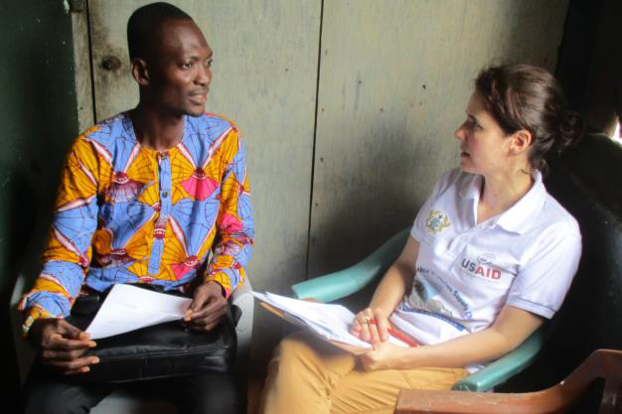
Kristine Beran, a Ph.D. candidate at the University of Rhode Island Graduate School of Oceanography, is conducting field-based analysis throughout Ghana’s fishing community. Ms. Beran’s findings will evaluate the effectiveness of anti-CLaT measures already in use.

Ms. Beran has established connections with various stakeholders operating throughout the local and national anti-CLaT spheres, like the Central and Western Fishmongers Improvement Association (CEWEFIA), a project partner of USAID’s work in the region.

Based in Elmina, Ms. Beran is identifying the activities most likely to prevent labor abuses within Ghana’s marine fishery. These activities include behavior-change communications initiatives conducted at the community level, such as dramas/role plays, radio campaigns, and the use of Community Child Protection Committees (CCPCs) and Community Action Plans to prevent CLaT in the fisheries sector.

Ms. Beran has interviewed 18/40 CCPC members as key informants regarding their role in the community and perceived impact surrounding project activities. In addition to these interviews, Ms. Beran has attended two USAID/SFMP partner meetings regarding anti-CLaT activities, including a discussion of scaling up certain activities and introducing new anti-CLaT activities.

Participating in a live broadcast of the hour-long, weekly radio campaign about CLaT in the fisheries sector, Ms. Beran interviewed the radio host and panel speakers to gain a better understand of the show’s content and intended impact.

Ms. Beran will continue her work, which includes a cost-benefit analysis of anti-CLaT programs, and plans to present preliminary findings at the U.S. Embassy in Ghana in August.