SIRF is guided by a board of industry leaders. This team guides SIRF’s mission forward by improving the seafood industry with innovative research. In this video, learn from SIRF directors what they value about the seafood research organization.
Category: Current Project
Dr. Aquiles Sanchez – FASTFISH-ID
Dr. Aquiles Sanchez (Thermagenix, Brandeis University) details his SIRF-sponsored research. FASTFISH-ID is a fast, cost-effective fish identification device that can be used as a more accessible alternative to traditional lab DNA testing.
Dr. Dan Distel – DNA Bank
Dr. Dan Distel (Northeastern University) details his SIRF-sponsored research — a public DNA bank to support technology development for seafood identification and authentication.
Approaches to Crab Enhancement
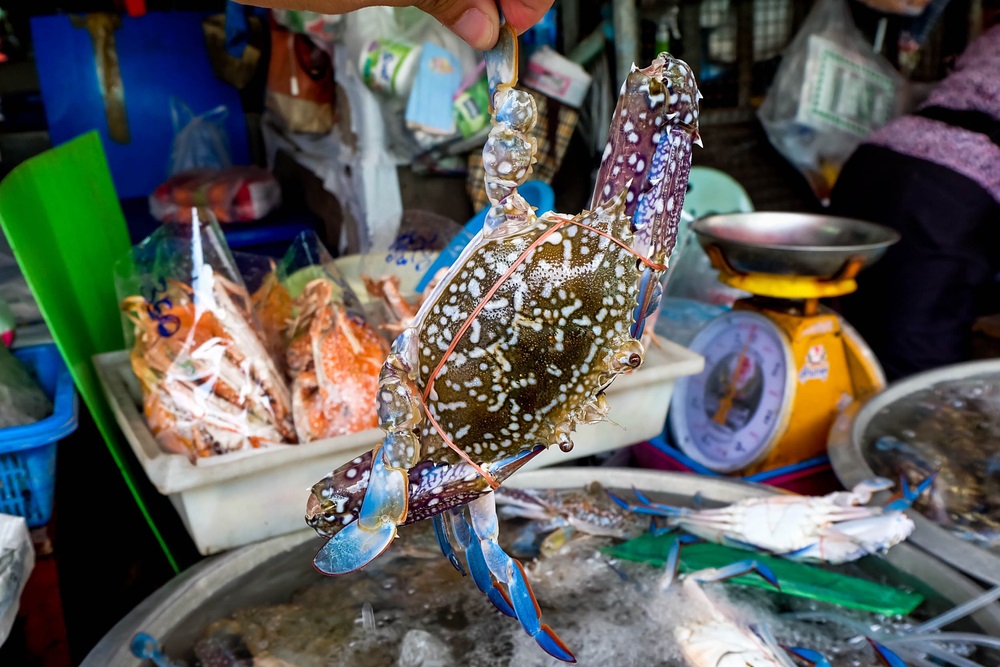
Dr. Anson “Tuck” Hines, Director of the Smithsonian Environmental Research Center, recently co-authored a SIRF-sponsored research paper, “Stock Enhancement: Strategic Approach for the Blue Swimmer Crab in SE Asia.” In this video, Dr. Hines summarizes different types of enhancement techniques and explains which practices are best suited blue swimming crab stocks.
Crab Enhancement Research
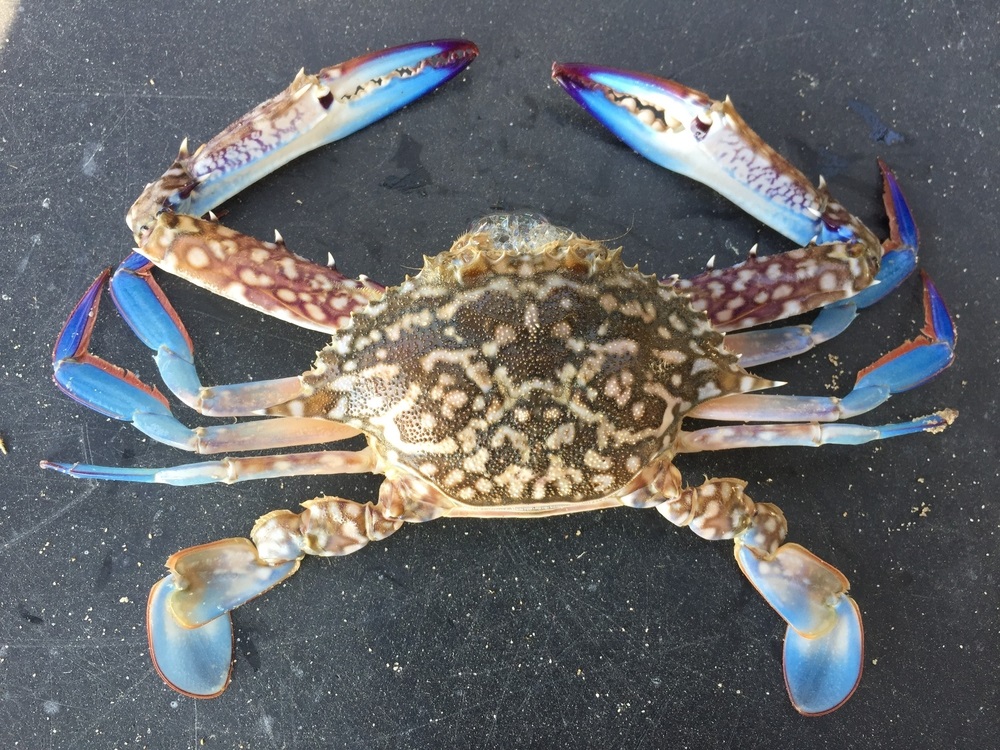
Dr. Yoni Zohar with the University of Maryland Baltimore County and director of the Aquaculture Research Center at the Institute of Marine and Environmental Technology has co-authored a paper on Crab Enhancement. “Stock Enhancement: Strategic Approach for the Blue Swimmer Crab in SE Asia” profiles various approaches to bolstering crab populations through hatchery raised stocks and recommends best practices. Learn more about how this innovative practice can contribute to crab sustainability.
Interview with SIRF Researcher Dr David Kuhn
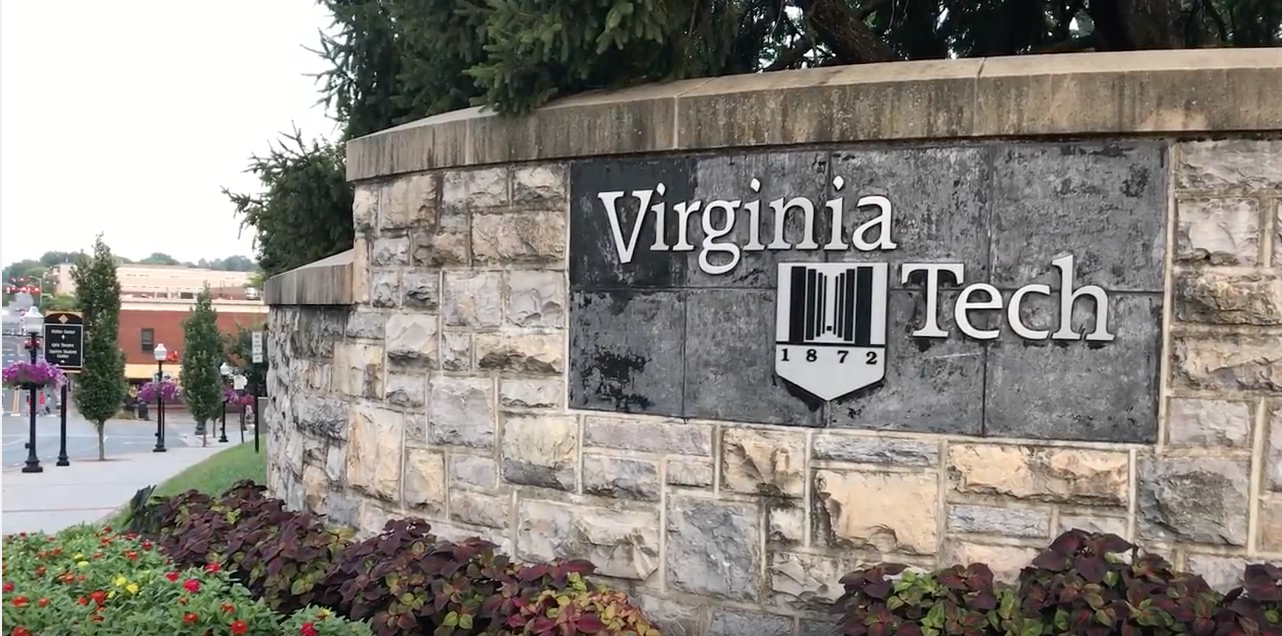
Virginia Tech researcher Dr. David Kuhn is conducting a study testing the effectiveness of antibodies in warding off aquaculture disease. In this interview, Dr. Kuhn describes SIRF’s support for the project as critical, allowing for the leveraging of university funding and resources in the execution of a complete analysis.
“I think funds like SIRF are really important because they are really geared towards the industry. Helping in the near term and sustaining as well,” said Dr. Kuhn. “Without SIRF funding this project would not be taking place.”
Mahi-mahi and Tuna Rapid Testing Spoilage Indicators: Phase II

The second phase in a SIRF project led by Dr. Paul Sarnoski of the University of Florida focuses on developing and optimizing a dye based indictor strip testing method to aid in quality control and regulatory decision making.

Dr. Paul Sarnoski, UF leading SIRF sponsored decomposition research
The first phase of this project examined tuna and mahi-mahi samples in the development of an analytical field tool to rapidly and objectively determine decomposition. His research involved testing for histamine and other biogenic amines which can result in time-temperature abused tuna and mahi-mahi. As histamine producing finfish, these two species were targeted because of the risk they pose for scombroid poisoning. Histamine, as well as other biogenic amine compounds that can act as indicators in scombroid poisoning, were measured through several methods. A major finding in the first phase of the research was that results generally showed an increase in histamine as the quality of both mahi-mahi and tuna decreased.

Dr. Sarnoski’s research seeks a rapid assessment test for spoilage in mahi-mahi and tuna
After the study’s initial phase, Sarnoski proposed to SIRF further research optimizing and validating a dye testing method against official methods of analysis for biogenic amines. The optimized indicator strips will allow industry to perform rapid and inexpensive decomposition testing.
“Decomposition issues for mahi and tuna remain a bugaboo for importers,” said SIRF Chairman Russ Mentzer. “Dr. Sarnoski’s continued inquiry into these species will provide tools for supply chain protection against the costly effects of spoilage and substandard product.”
The estimated completion time for the project’s second phase is December 2017.
SIRF Funds DNA Testing Project for Fast Identification of Fish Species
Research Could Produce Potential Check on Seafood Fraud
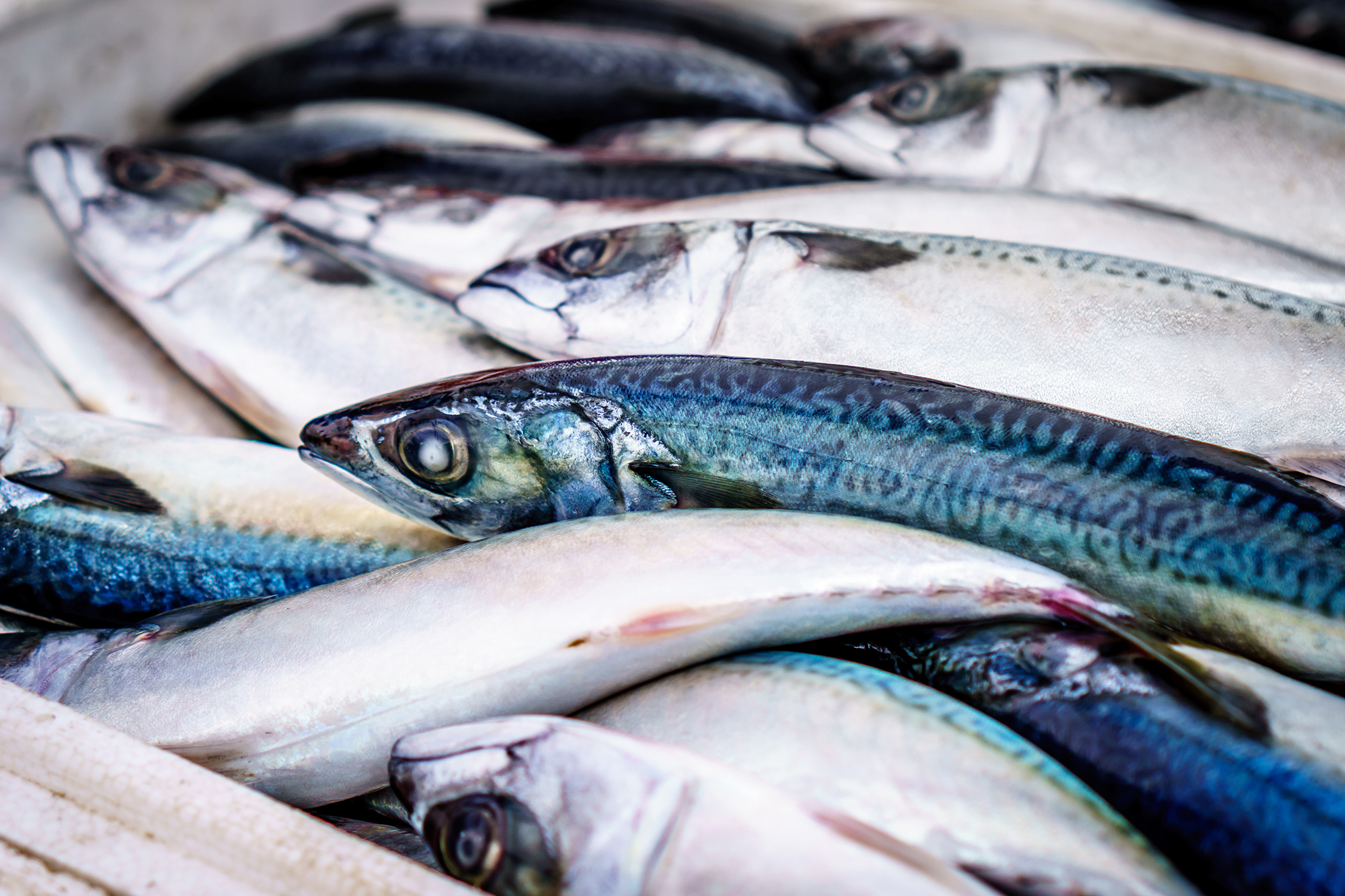
November 28, 2016-McLean, VA- The Board of Directors of the Seafood Industry Research Fund (SIRF) have funded research for the development of a fast, cost-effective identification of edible fish and fish products to prevent species substitution and fraud. The project will be led by Dr. J. Aquiles Sanchez, Ph.D. of the Department of Biology at Brandeis University in Waltham, Massachusetts.
The research seeks to develop a rapid means of seafood species identification using Closed-Tube DNA Bar Coding. Compared to difficult and expensive FDA DNA testing, the Closed-DNA system represents a convenient alternative that can be used with both laboratory equipment and, importantly, handheld devices. The project could benefit seafood companies, distributors, restaurants and consumers by providing a tool for protecting product from mislabeling and species substitution.
“The FDA has a strong interest in any new technologies and techniques that could potentially decrease cost and time of analysis, while increasing throughput and ease of use,” said Jonathan Deeds, Ph.D. of the FDA Office of Regulatory Science. “Methods with the potential to be field deployable are of particular interest. For public health, it is vital that both domestic and imported seafood be safe, wholesome and properly labeled.”
The research would compile a reference database of DNA “barcodes” for species at high risk of mislabeling or substitution. Suppliers, distributors and retailers could use the method of authentication to maintain the quality of their brand and retain consumer trust.
Jamie Marshall, chairman of industry watchdog group The Better Seafood Board (BSB), views the SIRF DNA project as a potentially powerful tool in combating seafood fraud.
“Industries thrive or perish on their reputations,” Marshall said. “The seafood business needs more effective resources in defending itself against the bad actors who threaten the opinions and goodwill of its consumers. I look forward to following the study and learning about the practical applications it may have for product quality and authentication.”
Established in 1964, SIRF funds research grants to colleges, universities and other institutions for research related to the seafood industry and the consumers of its products. SIRF Chairman Russ Mentzer views the newly approved study as squarely aligned with the organization’s pragmatic approach to seafood research.
“The FDA’s interest in this technology is beneficial to the seafood community,” said Mentzer. “This rigorous protocol will help establish a tested standard useable throughout the seafood supply chain, a business-based solution made possible by our excellent donor-base and scientist partners.”
###
The Seafood Industry Research Fund (SIRF) was established in 1964 to fund research grants to colleges, universities and other institutions for research related to the seafood industry and the consumers of its products. SIRF is supported entirely by voluntary contributions from individuals and companies in and related to the seafood industry.
Combating Labor Challenges in Ghana

SIRF is supporting research to help combat child labor and trafficking (CLaT) activities within Ghana’s seafood sector.
Kristine Beran, a Ph.D. candidate at the University of Rhode Island Graduate School of Oceanography, is conducting field-based analysis throughout Ghana’s fishing community. Ms. Beran’s findings will evaluate the effectiveness of anti-CLaT measures already in use.

Ms. Beran has established connections with various stakeholders operating throughout the local and national anti-CLaT spheres, like the Central and Western Fishmongers Improvement Association (CEWEFIA), a project partner of USAID’s work in the region.
Based in Elmina, Ms. Beran is identifying the activities most likely to prevent labor abuses within Ghana’s marine fishery. These activities include behavior-change communications initiatives conducted at the community level, such as dramas/role plays, radio campaigns, and the use of Community Child Protection Committees (CCPCs) and Community Action Plans to prevent CLaT in the fisheries sector.
Ms. Beran has interviewed 18/40 CCPC members as key informants regarding their role in the community and perceived impact surrounding project activities. In addition to these interviews, Ms. Beran has attended two USAID/SFMP partner meetings regarding anti-CLaT activities, including a discussion of scaling up certain activities and introducing new anti-CLaT activities.

Participating in a live broadcast of the hour-long, weekly radio campaign about CLaT in the fisheries sector, Ms. Beran interviewed the radio host and panel speakers to gain a better understand of the show’s content and intended impact.
Ms. Beran will continue her work, which includes a cost-benefit analysis of anti-CLaT programs, and plans to present preliminary findings at the U.S. Embassy in Ghana in August.
SIRF Economic Impact Study
Analysis of Seafood Imports a Useful Tool on Capitol Hill
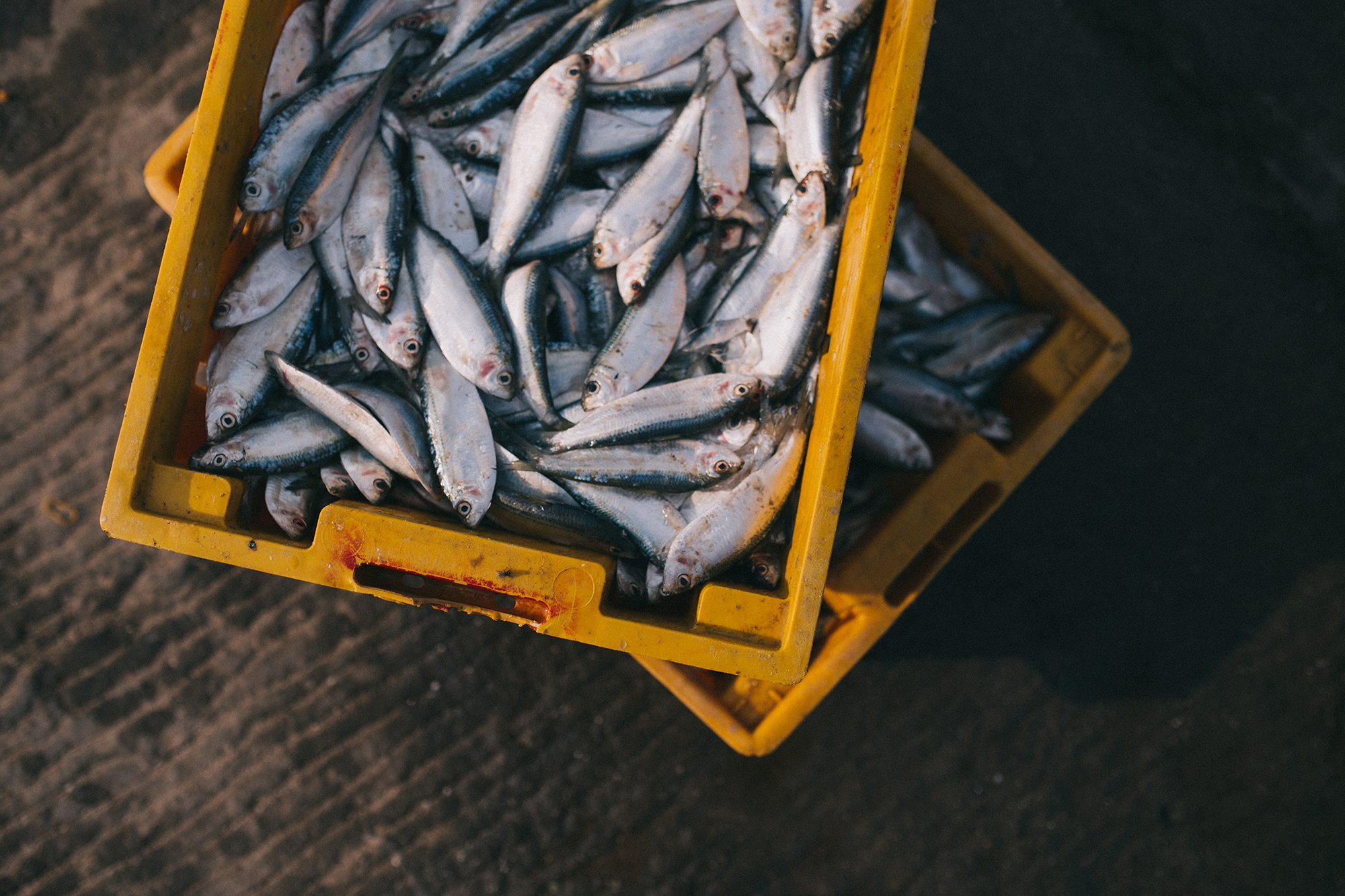
October 5, 2016-McLean, VA- Last fall, the seafood research organization, SIRF, finalized a project that charted the economic impact of seafood imports by congressional district. The resulting research mapped the dollar value of seafood imports for each of the 435 constituencies in the House of Representatives as well as identified districts’ key export items. These economic profiles have enabled seafood advocates to demonstrate to lawmakers in detail the importance of the seafood importing industry on local economies.
Conducted by Dr. Mike Toma of Armstrong State University, the economic study drew on government Census data to form an exhaustive cross-section of seafood import distribution in the United States. Distilling the large database into shareable form, the National Fisheries Institute developed informational one-pagers that enumerate tailored import-export statistics for each congressional office.
“Trade is a two way street,” said NFI Vice President of Governmental Affairs Robert DeHaan. “When a lawmaker sees the dollar figures seafood brings into the district or the volume of in-district goods being sent to a major seafood supplying country, the connection is eye-popping and immediate. The seafood importing industry is something to pay attention to and its issues worth fighting for.”
The study results have been used in several seafood advocacy efforts including the Capitol Hill meetings of NFI’s Political Conference and Future Leader sessions as well as in targeted lobbying outreach among seafood champions and critics, alike.
“SIRF funds research that supports the seafood business,” said SIRF Chairman Russ Mentzer. “The more national decision-makers recognize seafood as a stable protein and consistent economic resource the more our industry benefits. SIRF’s import study is one example of SIRF’s investment in projects that have both immediate and long-term gains for the seafood community.”
###
The Seafood Industry Research Fund (SIRF) was established in 1964 to fund research grants to colleges, universities and other institutions for research related to the seafood industry and the consumers of its products. SIRF is supported entirely by voluntary contributions from individuals and companies in and related to the seafood industry.
Recent Comments